Should You Be Feeding Garden Birds?
7 March 2026
Around half of UK households put food out for birds, which is a number far bigger than I would have guessed. It’s one of the most direct ways for people to interact with wildlife, and a valuable connection for many. This is especially true when the UK is one of the most nature-depleted countries on earth, with many feeling increasingly removed from the natural world. But if we care enough to feed birds, we probably care enough to do it well.
The Case for Supplemental Support
Modern farming has stripped the countryside of the insects, seeds, and berries birds rely on and so garden feeders can really help fill that man-made gap.
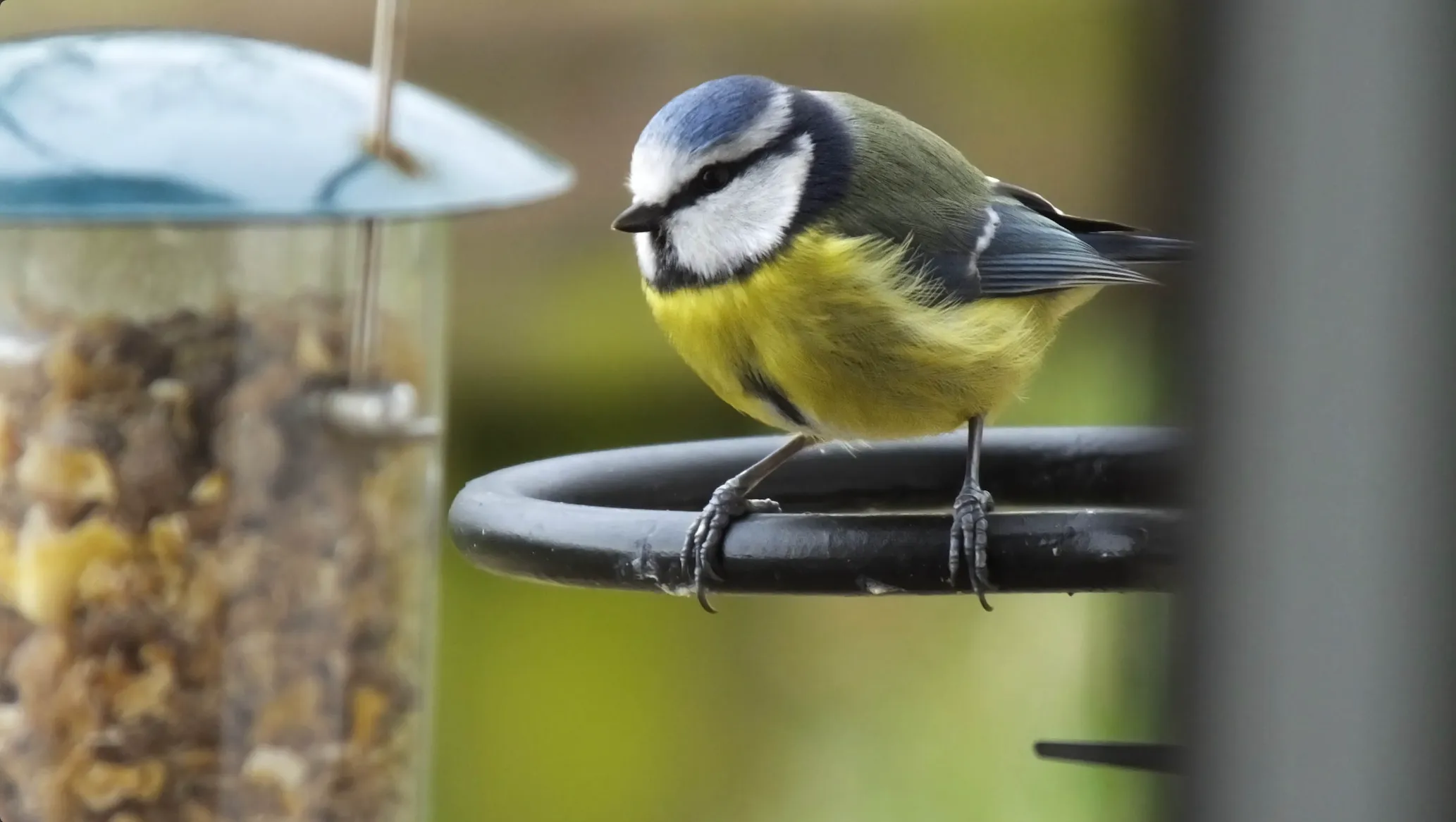
The scale of garden feeding has grown enormously since the 1970s. Common visitors like blue tits and great tits have seen clear population increases in urban areas. Other interesting research shows that farmland birds like the yellowhammer and reed bunting have also been appearing in gardens in greater numbers. However, they aren’t seeking to feed from gardens out of choice. Instead, research suggests they’re seeking refuge because their natural habitats have become so depleted that gardens represent a last resort. One study concluded [1] that while gardens aren’t a universal solution for all declining farmland birds, they provide a critical winter lifeline for specific species as the countryside becomes increasingly inhospitable.
Most research goes against the idea that birds become helpless or entirely dependent on feeders. In blue tits, for instance, supplemental food historically made up less than 20% of their winter diet [2]. Even though modern DNA studies reveal they are consuming far more garden food (like peanuts) today, it remains a supplement to their natural foraging. For struggling farmland species, however, that extra food is far more critical. It is often the exact lifeline they need to survive the winter.
The Unintended Consequences
Organisations like the Yorkshire Wildlife Trust have begun removing feeders from their nature reserves. In places specifically managed for wildlife and biodiversity, feeders can work against conservation goals by boosting common species at the expense of those struggling. Aggressive birds like great tits dominate the feeders and outcompete rarer, declining species like willow tits, who don’t use feeders at all.
An interesting research study by Dr. Kate Plummer from the British Trust for Ornithology (BTO) [3] found that blue tits fed well over winter had lower breeding success the following year. Their chicks were also smaller, resulting in an average of 8% fewer offspring successfully fledging. A bird fed comfortably through winter may read that as a sign of a productive habitat and invest in breeding there. Come spring, the feeder is gone, and what actually matters is caterpillars. If surrounding trees and hedgerows can’t provide enough insect life, the birds have been tricked into breeding somewhere that can’t support them.
There’s also a longer-term concern about natural selection. Feeding helps birds with poorer health or genetics survive winters they otherwise wouldn’t, which may gradually erode the resilience of wild populations over many generations. It’s a slow effect and hard to measure, but a clear example of how human intervention in natural systems, however well-intentioned, can have unintended consequences.
The main risk that doesn’t get enough attention is disease. Garden feeders concentrate large numbers of birds from different territories in a small space, repeatedly, over many months. That’s an ideal setup for pathogen transmission.
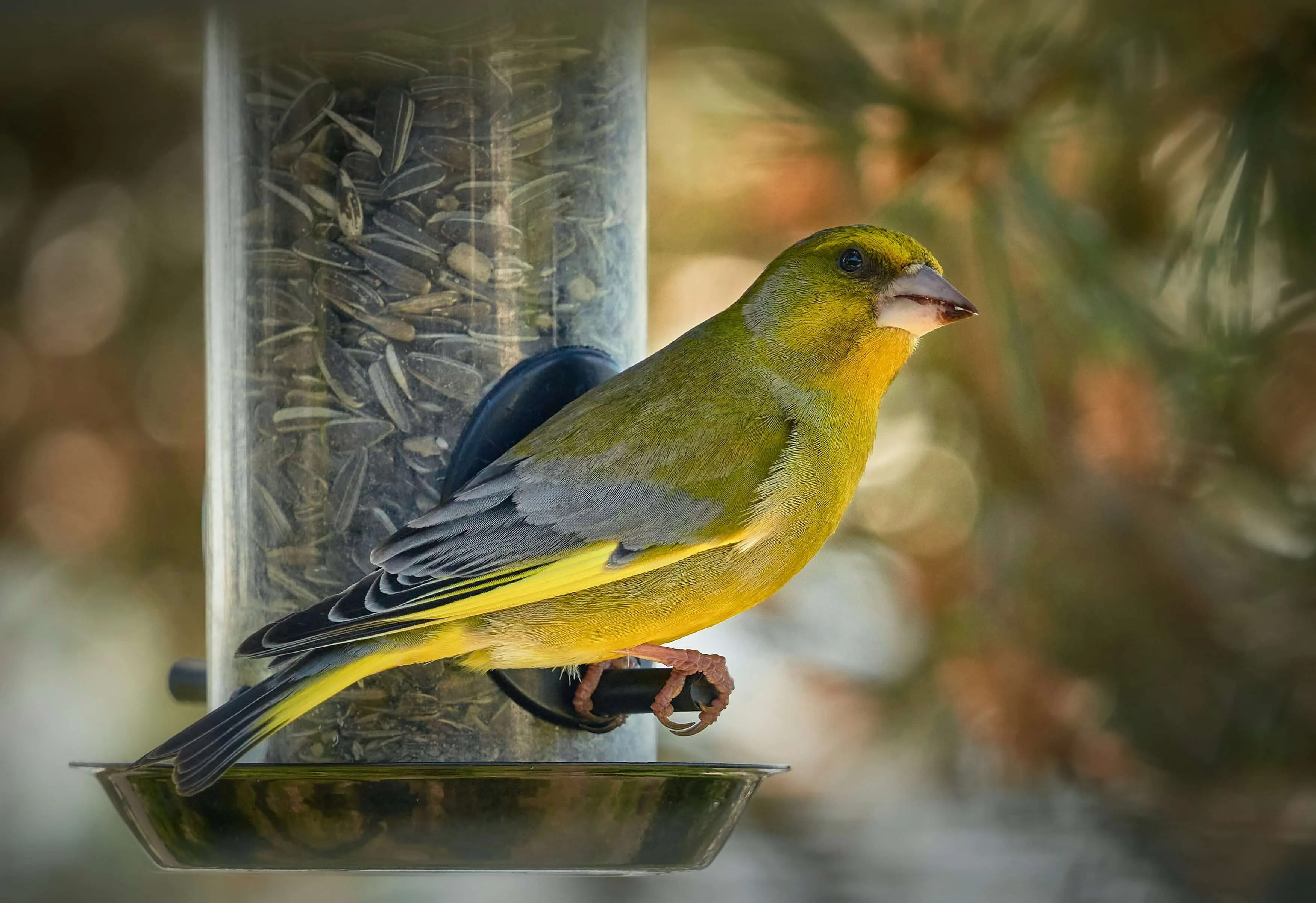
Trichomonosis (a parasitic disease) has caused dramatic declines in greenfinch and chaffinch populations, while Salmonella and avian pox spread easily via poorly maintained feeders. The good news is that this risk is largely manageable with a consistent hygiene routine. Here are some ways to prevent disease:
- Distribute food across multiple small stations rather than a single large one. By spreading birds out, you mirror natural foraging patterns and minimise pathogen transmission.
- Diversify your offerings with seeds, suet, and fruit to attract more species. Skip leftovers and bread, which lack nutrition and can harbor dangerous molds.
- Clean feeders weekly with mild disinfectant or soapy water, rinsing thoroughly before refilling
- Provide fresh water daily
- Rotate feeder positions regularly so droppings don’t build up in one spot beneath them
- If you see a sick or lethargic bird in your garden, stop feeding immediately for at least two to four weeks to break any potential transmission chain
The RSPB’s current guidance adds two points worth following. Because trichomonosis spreads most readily in warm weather, they now advise pausing seed and peanut feeders over the summer and autumn (roughly May to October), offering only small amounts of mealworms, fat balls or suet during those months. They also recommend against flat-surfaced bird tables, tray feeders and window feeders, where droppings and stale food build up, in favour of designs that stay cleaner.
The Middle Ground: Responsible Feeding
If you’re going to feed, targeted feeding is considerably better than just filling a generic feeder with a cheap mixed seed bag. Many of those mixes contain filler ingredients like lentils, wheat, or dried rice that most garden birds won’t touch, leaving waste to rot beneath the feeder. Different species have genuinely different nutritional needs, and matching the food to the bird reduces waste and attracts a more interesting variety. Keep the seasonal point above in mind, though: the seed-based options below suit the winter feeding window, while over summer the RSPB suggests sticking to mealworms, fat balls or suet.
- Goldfinches - niger (nyjer) seeds, ideally in a feeder with small ports
- Thrushes and blackbirds - over-ripe fruit & soaked raisins (soaking reduces choking risk)
- Wrens - chopped animal fat and grated mild cheese, placed low or on the ground, as wrens rarely visit hanging feeders
- Blue tits, great tits, and finches - hulled sunflower hearts are excellent: high energy, minimal mess, no sharp hulls to deal with
- Robins and dunnocks - live or dried mealworms placed near ground level
Always remove the plastic mesh netting from fat balls before putting them out - birds can get feet and beaks trapped fatally in the mesh. Avoid salt, mouldy food, and loose whole peanuts during breeding season (when adults may carry them directly to chicks too young to handle them).
The Better Answer: Plant for Birds
The most sustainable way to support garden birds isn’t a feeder - it’s a garden that functions as a habitat. Native plants provide food across multiple seasons, at the right times, and without the disease or ecological trap risks of feeders. They also support the insects birds need to raise chicks in spring, which no feeder can replicate.
If you’re thinking about what to plant, some of the most valuable native species include:
For berries: Holly, hawthorn, ivy, rowan, and guelder rose For seeds: Teasel, thistle, birch, and alder
Beyond planting, leave leaf piles in corners of the garden as a winter larder for invertebrates, and avoid heavy pruning between March and August when birds are nesting.
A More Honest Kind of Helping
Feeding birds comes from a good place and this good deed is worth nurturing, not criticising. But the science suggests a garden full of native plants, with a patch of messy leaf-littered ground, and a clean water source will do more for local birds than the most well-stocked feeder. If you do keep feeding, feed thoughtfully, clean diligently, and think of the feeder as one part of a wider effort, not the whole answer.
For the latest practical advice on what to feed and how to keep feeders clean, see the RSPB’s guide: How to help garden birds.
References
[1] Gillings, S. (n.d.). Winter Farmland Bird Survey. BTO Research Report No. 494.
[2] Cowie, R. J., & Hinsley, S. A. (1988). The provision of food and the use of bird feeders in suburban gardens. Bird Study, 35(3), 163–168.
[3] Plummer, K. E., Bearhop, S., Leech, D. I., Chamberlain, D. E., & Blount, J. D. (2013). Winter food provisioning reduces future breeding performance in a wild bird. Scientific Reports, 3, 2002.
At Beak Tech, we use open-source bioacoustic technology to listen to and learn from the birds around us. If you’d like to explore what’s living in your local habitat, take a look at what we do, or get in touch.