Britain's birds are at a record low. Here's what we're hearing in Cumbria
7 November 2026
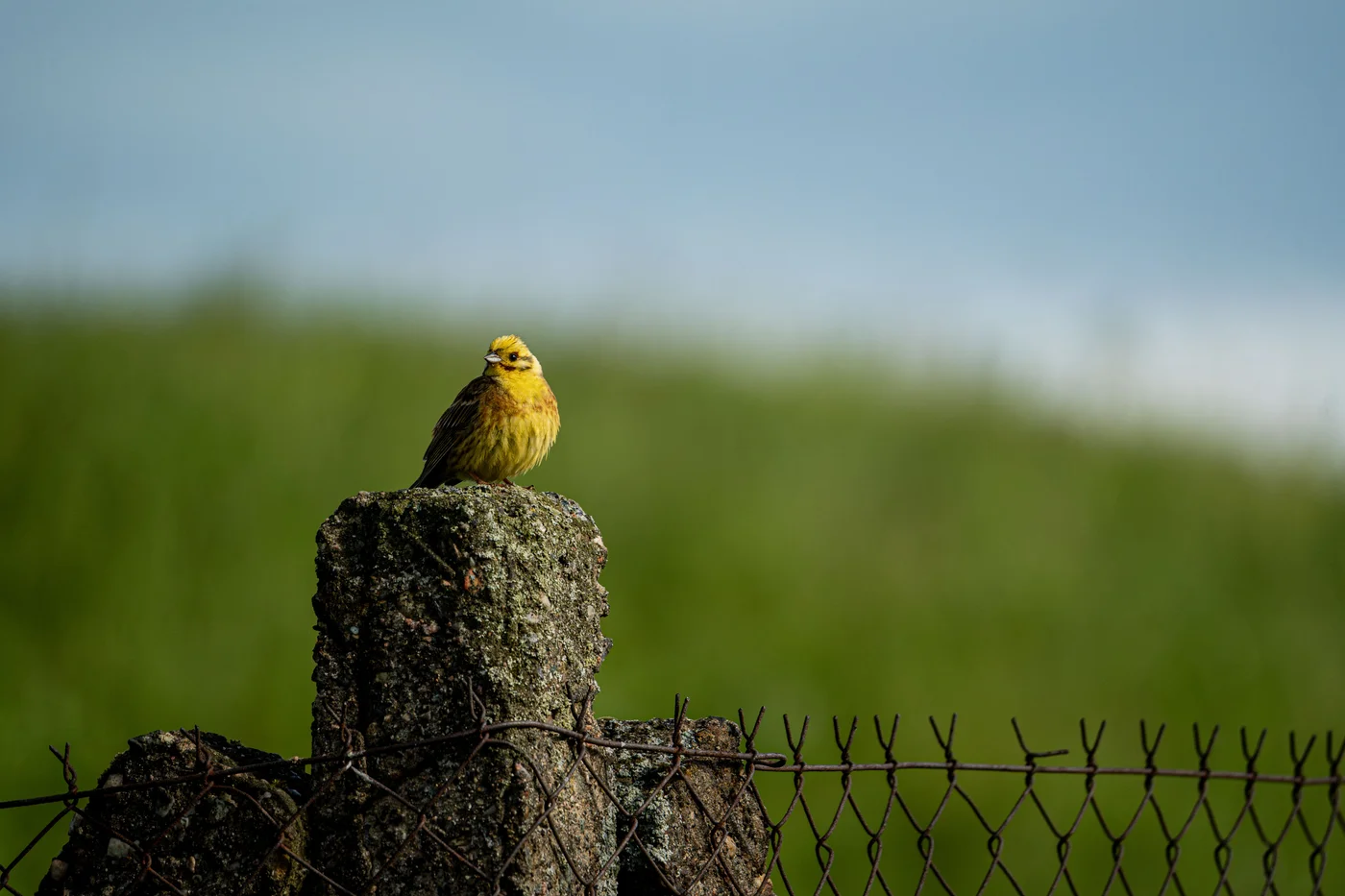
Government figures published last month put UK bird populations at their lowest level since records began. The RSPB’s head of monitoring, Richard Gregory, called the findings “shocking and sobering”. Farmland birds have suffered the deepest losses.
Much of this comes back to what we’ve done to the land. The State of Nature report identifies changes in agricultural land management, alongside climate change, as the biggest pressures on wildlife on land and in freshwater. In upland areas like Cumbria, that includes the way we manage grazing land as well as crops. A green field isn’t necessarily a place where wildlife can thrive.
What the figures say
The numbers come from Defra’s annual wild bird indicators, which track 132 breeding species across the UK.

Over the last five years, the overall indicator fell another 5%, with nearly half of species declining. Seabirds fell by more than a fifth over the same period as bird flu hit colonies hard, and upland birds are down almost a fifth since 1994.
Farmland birds have fared worst of all. Some, including the turtle dove and tree sparrow, have lost more than 85% of their numbers since 1970.
What farming has changed
Birds need food, shelter and somewhere to raise their young. Decades of agricultural intensification have taken away much of that. Hedges have been removed, wet ground drained, and mixed farming replaced by more specialised production. Changes such as cutting grass for silage rather than hay and sowing crops in autumn rather than spring have also changed what’s available to birds. Defra links much of the farmland-bird decline to these changes.
Large areas growing a single crop, or monocultures, offer fewer kinds of food and shelter. Pesticides can kill the insects birds feed on, including pollinators and the insects that keep pests down, while herbicides remove wild plants and their seeds. Take away the insects and seeds, and the birds go next. Intensive land use also costs the soil itself, through compaction and loss of organic matter.
Sheep and other livestock are part of this picture too. A sheep-grazed hillside can look peaceful while losing the plants that support its insects and birds. Sheep can eat flowers before they have a chance to set seed. Heavy grazing and trampling can damage soil, while repeated browsing can stop young trees establishing. That can happen on open fells, not just on intensive farms.
None of this means crops or grazing animals are the problem in themselves; it’s how they’re managed. Carefully managed grazing is one of the best ways to keep grasslands rich in flowers, and crops can be grown alongside hedges, field margins and wet corners that give birds food and somewhere to nest. Done the right way, that means the right number of animals in the right places at the right times, less reliance on pesticides, and room left for wildlife.
Farming isn’t the only pressure. Climate change, habitat loss along migration routes and diseases such as bird flu add to the damage. But how we use the land is the part we can most directly change.
And then there’s the shooting
For migrating birds, the danger doesn’t end at our coast. Turtle doves, down 98% in the UK since the mid-1990s, arrive here to find fewer of the weed seeds they feed on, and on the way to and from West Africa they have to cross France, Spain and Portugal. Until a few years ago, around a million were shot in those countries each autumn. During a temporary ban that began in 2021, their numbers in western Europe rose by about 40%. Even so, the EU let hunting resume in 2025, with a quota of about 132,000 birds.
Closer to home, shooting adds a different kind of pressure. Somewhere between 31 and 50 million pheasants, and around 10 million red-legged partridges, are released into the British countryside every year. None of them are native, and almost all are reared in captivity. By late summer, by one estimate, they make up about half the weight of all wild birds in Britain. That’s a lot of extra mouths eating the same seeds, berries and woodland insects as native birds, and around release pens they change the woodland floor, leaving more bare ground and fewer of the plants that mark out old woodland.
What we heard
Several of the birds in these reports also turn up in our recordings. We went back through this year’s records from our monitors in Cumbria to see what we’d heard, and listened to the recordings behind the findings below to check them.
Linnets on a regenerative farm by Ullswater
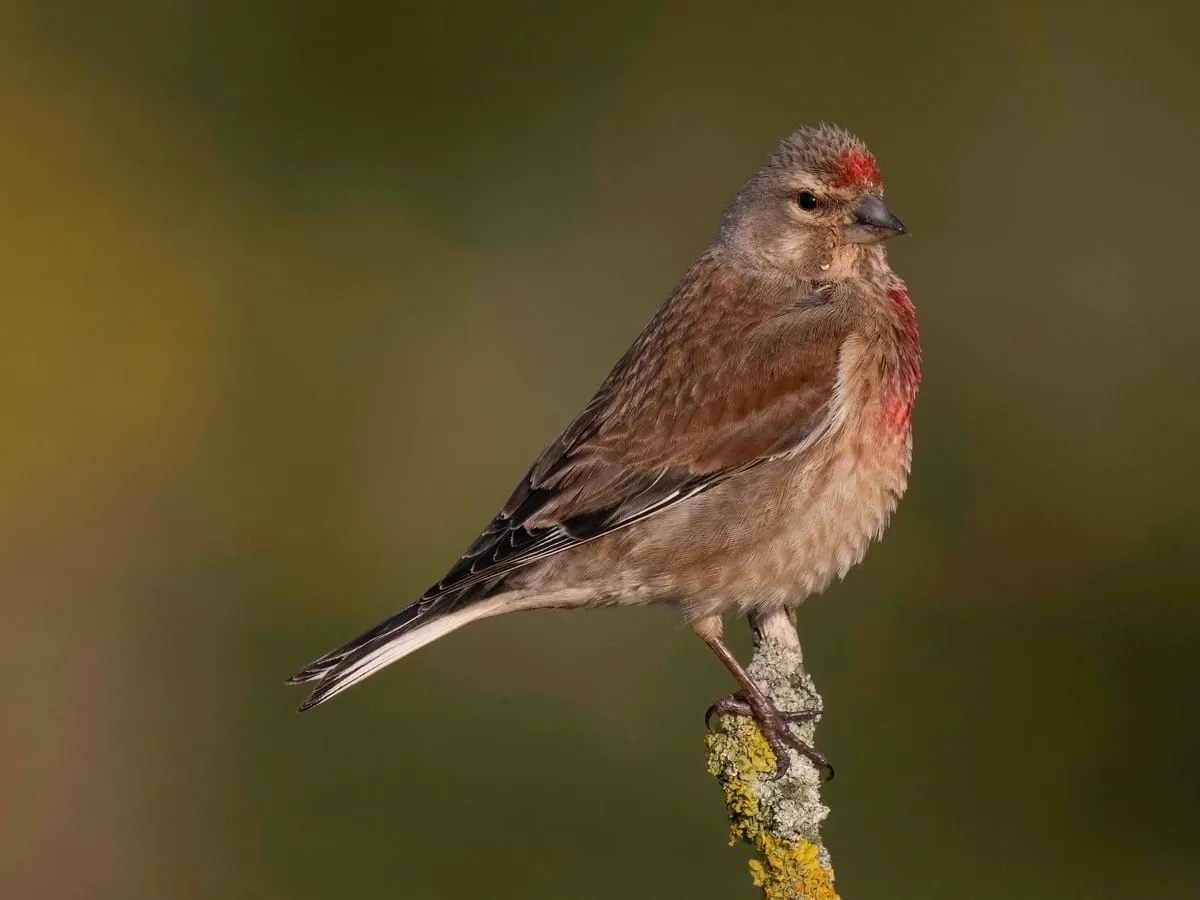
Linnets are small finches of farmland and scrub. They live mostly on the seeds of wild plants and nest in hedges and gorse, so they’ve lost out as intensive farming has cleared field margins and hedgerows. They’re now on the UK Red List of birds of highest conservation concern, so we were pleased to hear them at two of our monitors in the North Lakes. At Gowbarrow Hall Farm, on the shore of Ullswater, our monitor picked up linnets on 13 different days between late July and late September. Gowbarrow is a regenerative farm, where encouraging wildlife is part of how the land is managed. We can’t say for sure whether that’s what brings the linnets there, but the farm offers the food and nesting places they need.
Spotted flycatchers, still heard at the end of September
Spotted flycatchers are summer visitors from Africa, and among the last to arrive each spring. They’re small, grey-brown birds that dart out from a perch to snatch flying insects, and the Breeding Bird Survey shows their numbers have fallen by 61% since 1995. We heard them through the summer, and were still picking them up in the last week of September as they headed south. Some of those late birds may have been passing through rather than nesting nearby.
Curlews
For many people in the Lakes, the curlew’s call is one of the best-loved sounds of the fells: a rising, whistled “cur-lee”, which gives the bird its name, and in spring a bubbling trill that rolls across the fields. Curlews are Europe’s largest wader, with a long, down-curved bill for probing wet ground for worms. They nest on the ground in rough pasture, hay meadows and moorland edges, where drainage, early mowing and predators can all cost them a nest. Around a quarter of the world’s breeding curlews nest in the UK, so what happens here matters well beyond Britain, and they’re on the Red List too.
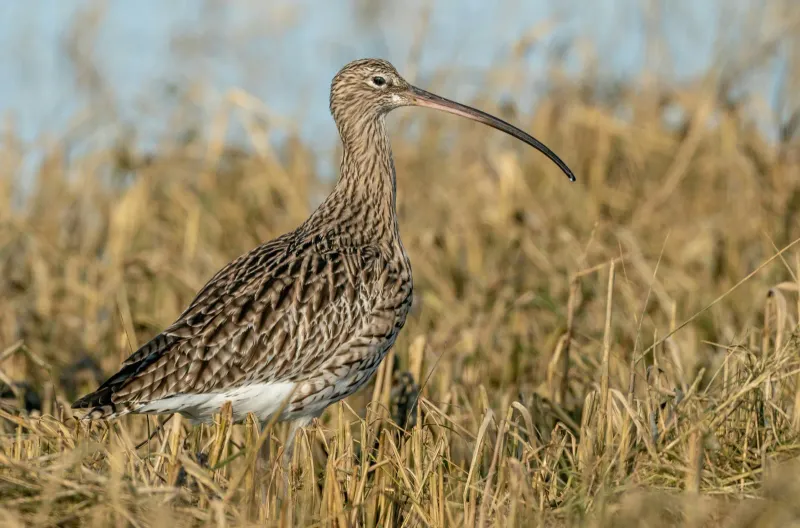
Our monitors picked up curlews at five sites this year, and at two of them on around 40 days each, mostly between May and August. Curlews are struggling in winter too, with the Wetland Bird Survey putting the UK’s winter numbers at their lowest since 1980/81.
Swallows, house martins and swifts
All three were in our summer recordings, and we were still hearing house martins at the end of September. Our autumn article follows them as they leave. They’re birds we associate with summer, yet the Breeding Bird Survey has swifts down 70%, house martins down 40% and swallows down 23% since 1995. Fewer insects hurt all three, but swifts also lose their nest sites when buildings are repaired or renovated, because they nest in gaps under roofs.
Bullfinches and greenfinches
We heard both of these too. Bullfinches are declining particularly sharply in England, while greenfinches have been hit hard by trichomonosis, a disease that spreads easily at dirty bird feeders. It’s good to have them in the recordings, but that alone can’t tell us whether their numbers are recovering.
Some birds are doing well
Not every bird is in decline. Nuthatches, great spotted woodpeckers and chiffchaffs were all in our recordings, and all three have become more common in the UK over the long term. We were still hearing chiffchaffs in October. Many head south by then, but more of them now stay in Britain for the winter.
Counting birds, and listening for them
The national figures depend on people going out and counting birds. Each spring, nearly 3,000 volunteers walk set routes for the Breeding Bird Survey, recording what they see and hear, and they identify the birds themselves, not with apps.
Our monitors can’t count birds the way a survey can, but they can fill in the picture of a single place. When did we first hear swifts this year? Were curlews heard again in spring? How did the dawn chorus change through the summer? A microphone can keep listening when nobody is there with a notebook, and over several years those recordings build into a detailed record of a place. Alongside surveys and other observations, they can help us understand how birdlife responds when someone restores a hedge, changes their grazing or makes room for a wetland.
What you can do
At home
If you have a garden, leave some grass long, keep seedheads through winter and grow native shrubs and berry-bearing plants. Avoid insecticides. Even a few pots of flowers can feed the insects birds rely on. Clean water helps too, as long as you change it daily. And if you’re having work done on your roof, ask about a swift brick or nest box.
If you put out food, follow the RSPB’s updated advice: pause seeds and peanuts from 1 May to 31 October, avoid flat feeding tables, and clean and move feeders weekly. Dirty feeders spread trichomonosis, the disease behind the greenfinch’s decline, so the cleaning really matters.
When you shop
Where you can, avoid intensively produced meat, which is much of what’s on supermarket shelves, and buy from farmers who are looking after habitats, soils and wildlife, and who can show it. Some Cumbrian farms are already restoring hedges, wetlands and hay meadows, and well-managed grazing is part of keeping the fells rich in flowers.
Eating less meat and dairy overall also eases the pressure on land. An Oxford-led study of UK diets found lower land use and biodiversity impacts among people eating less animal-based food.
In your community
We need farming policies that pay farmers to restore habitats and move away from damaging practices. You can push for that through your MP, local conservation groups and community projects.
Helping to restore a hedge or wet patch, or protecting a wildlife-rich verge, gives birds something they can actually use. And if you know your birds, the Breeding Bird Survey needs volunteers.
If you manage land
A monitor can help you record which birds are heard on your land and follow how that changes over time. You can see the kind of thing it picks up on the National Park’s live monitors. If you’d like to listen at your own site, talk to us.
We want to keep hearing these birds, in Cumbria and across the UK. That means giving them enough food and space to live, across the countryside as well as in our gardens.
About our recordings
The findings above come from our bird monitors. Each monitor runs BirdNET-Go at the core, which uses the BirdNET model to identify birds automatically, and we only used identifications it was at least 80% sure of. A detection isn’t a count of birds, and BirdNET can still get things wrong, so for the linnets, spotted flycatchers, curlews, house martins and chiffchaffs we listened to the recordings ourselves to verify they were valid and they were (apart from a lone turtle dove that turned out to be a pigeon!)
The chart uses Defra’s national figures, which come from separate surveys.